
Military and Aerospace Packaging Requirements: Transport, Storage, and Environmental Protection
Military and Aerospace Packaging Requirements: Transport, Storage, and Environmental Protection
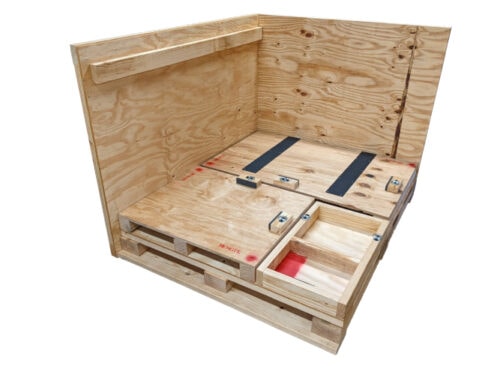
Packaging plays a critical role in military and aerospace logistics, where equipment reliability, operational readiness, and system longevity are essential. Unlike many commercial shipping environments, military and aerospace supply chains involve repeated handling, long-term storage, exposure to extreme environments, and transportation across multiple modes and geographies. Packaging in these contexts is therefore not treated as a disposable or ancillary element, but as an integral part of logistics planning and engineering.
Military and aerospace packaging requirements differ substantially from those found in typical commercial distribution. Commercial shipping is often optimized for cost efficiency and short transit durations, with packaging designed primarily for single-use transport through controlled logistics networks. In contrast, defense and aerospace systems may be stored for extended periods, redeployed multiple times, or transported under austere conditions where infrastructure, climate control, and handling practices are less predictable. As a result, packaging must be capable of protecting contents against a wider range of mechanical, environmental, and handling hazards. [1]
A primary objective of military and aerospace packaging is damage prevention across the full lifecycle of the packaged item. This includes protection during initial shipment, intermediate storage, repeated handling, and eventual deployment. Packaging is also closely tied to operational readiness, as damaged or degraded equipment can delay missions, increase maintenance requirements, or reduce system availability. In many cases, packaging must support both transportation and field storage functions, ensuring that equipment remains serviceable until it is placed into use.
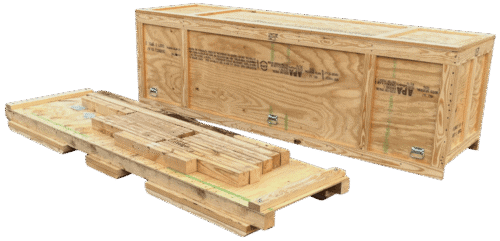
Accordingly, packaging in military and aerospace applications is treated as an engineering and logistics discipline governed by formal standards and technical requirements. Design considerations extend beyond containment to include environmental protection, structural integrity, handling compatibility, and lifecycle durability. This standards-driven approach reflects the role of packaging as a component of system reliability and logistics effectiveness, rather than as a product or accessory.
Role of Packaging in Military and Aerospace Logistics
In military and aerospace environments, packaging functions as an integral component of the end-to-end supply chain rather than as a final, isolated step prior to shipment. Packaging decisions influence how equipment is transported, stored, handled, and ultimately made available for operational use. As such, packaging is closely linked to logistics planning, asset management, and system readiness across the full lifecycle of materiel.
Military and aerospace supply chains routinely involve the movement of a wide range of items, including complete equipment, spare parts, and sensitive systems or assemblies. These items may be transported between manufacturing facilities, depots, maintenance locations, and operational theaters, often across multiple transportation modes and geographic regions. Packaging must therefore accommodate diverse load characteristics, handling methods, and environmental conditions while maintaining protection throughout each stage of movement. Department of Defense packaging guidance addresses these requirements by defining standardized practices for preservation and packing intended to protect materiel during handling, storage, and shipment.[2]
Beyond transport, packaging plays a critical role in how items are handled and stored prior to use. Packaged equipment may be subject to repeated lifting, repositioning, inspection, and reconfiguration, requiring packaging designs that support safe handling by forklifts, cranes, or manual means. Storage conditions may range from controlled facilities to forward or austere environments, increasing reliance on packaging as a protective barrier against mechanical damage and environmental exposure. Military packaging standards explicitly recognize storage and multiple handling cycles as part of the packaging problem, rather than treating them as separate considerations.[2]
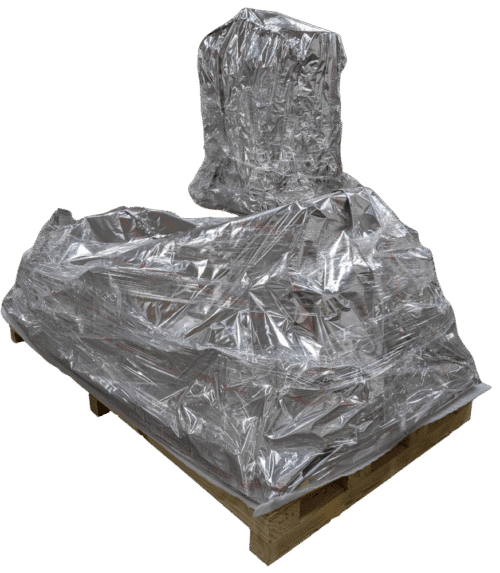 Packaging is also closely tied to deployment readiness. Equipment that arrives damaged, contaminated, or misaligned can delay maintenance, reduce availability, or compromise mission timelines. For this reason, aerospace and defense organizations emphasize packaging practices that preserve configuration, alignment, and functional integrity until the moment of deployment. NASA’s agency-wide requirements for packaging, handling, and transportation reflect this approach by linking packaging performance to reliability and damage-free delivery of aeronautical and space hardware.[3]
Taken together, these considerations underscore that packaging in military and aerospace logistics supports operational continuity rather than simply enabling shipment. By integrating transport, handling, storage, and readiness requirements into a unified framework, packaging functions as a logistics and engineering control that helps ensure systems remain serviceable, deployable, and mission-ready throughout their lifecycle.
Regulatory and Standards Framework
Military and aerospace packaging requirements are governed by formal standards and technical directives that define preservation, packing, marking, and handling practices. These standards establish uniform criteria across the Department of Defense (DoD) supply system and related aerospace activities, ensuring that packaging performance is consistent, verifiable, and aligned with operational needs. Rather than relying on discretionary practices, military packaging is codified through detailed specifications that address environmental protection, mechanical integrity, identification, and lifecycle considerations.
Department of Defense Packaging Standards
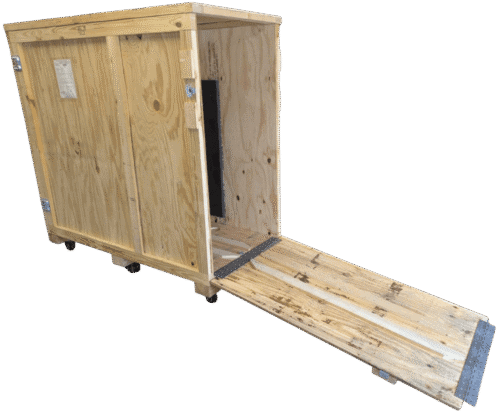 The primary governing document for military packaging is MIL-STD-2073-1, Standard Practice for Military Packaging, issued by the U.S. Department of Defense.[2] This standard establishes requirements for preserving and packing materiel to protect it against environmentally induced deterioration and physical or mechanical damage during storage, handling, and shipment. It provides structured guidance on packaging methods, levels of protection, and selection criteria based on the item’s characteristics, anticipated storage duration, and distribution environment.
A central concept within MIL-STD-2073-1 is the distinction between preservation and packing. Preservation refers to measures applied directly to the item to prevent corrosion, contamination, or degradation (such as barrier materials, coatings, or controlled atmospheres). Packing refers to the selection and preparation of exterior containers, such as boxes or crates, and associated cushioning, blocking, and bracing required to protect the preserved item during storage and transportation. By separating these functions, the standard clarifies that packaging performance depends on both item-level protection and container-level structural integrity.
Importantly, MIL-STD-2073-1 explicitly addresses the full logistics lifecycle, including storage, multiple handling cycles, and shipment across various transportation modes.[2] Packaging is therefore designed not only for initial transport but also for warehouse storage, depot operations, redistribution, and potential redeployment. This lifecycle scope reflects the broader military logistics model, in which materiel may remain in inventory for extended periods before use.
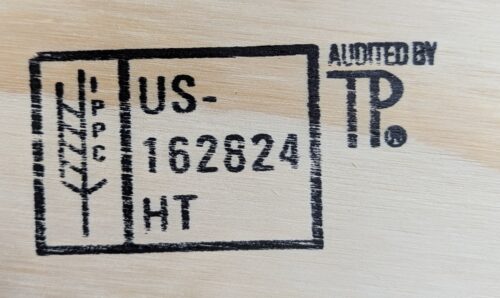 In addition to preservation and packing requirements, the DoD also standardizes marking and identification through MIL-STD-129, Military Marking for Shipment and Storage.[4] This standard defines uniform marking requirements for containers, including identification data, barcoding, and handling information necessary to support traceability and supply chain management. By integrating packaging construction standards with marking requirements, the regulatory framework ensures that containers support both physical protection and logistical control functions.
Together, MIL-STD-2073-1 and MIL-STD-129 demonstrate that military packaging is governed by codified, technical requirements intended to support environmental protection, mechanical durability, storage integrity, and supply chain visibility. These standards formalize packaging as a structured logistics discipline rather than a discretionary or purely commercial practice.
NASA Packaging and Transportation Requirements
In addition to Department of Defense standards, aerospace packaging activities within the United States are governed by formal agency-level requirements issued by the National Aeronautics and Space Administration (NASA). NASA establishes packaging, handling, and transportation policies through NASA Procedural Requirements (NPR) 6000.1, which provides agency-wide direction for protecting aeronautical and space systems, equipment, and associated components during movement and storage.[3]
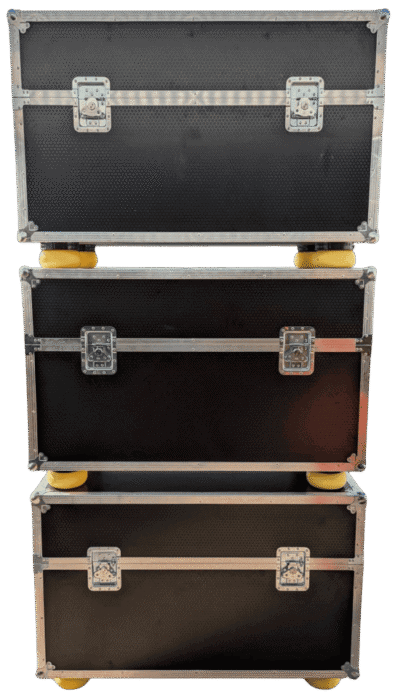
NASA NPR 6000.1 defines requirements intended to achieve zero damage delivery of hardware items across the full spectrum of agency operations, including manufacturing, testing, storage, and launch site integration. The document outlines responsibilities, performance expectations, and coordination requirements for packaging and transportation activities. Rather than treating packaging as an isolated shipping function, the procedural requirements integrate packaging into system reliability, safety, and mission assurance processes.
The NPR applies broadly to aeronautical and space systems, ground support equipment, flight hardware, and associated assemblies.[3] Packaging must therefore account for the unique characteristics of aerospace components, which may include precision alignments, contamination sensitivity, structural fragility, and strict environmental control requirements. In many cases, packaging solutions must support long-term storage prior to launch or redeployment, as well as controlled transport between NASA centers, contractors, and operational facilities.
By formalizing packaging and transportation responsibilities through agency-level procedural requirements, NASA demonstrates that packaging performance is governed by codified standards rather than discretionary practice. The NPR framework reinforces the principle that packaging supports hardware integrity, safety, and mission readiness across the aerospace lifecycle.
Environmental Protection Requirements
Military and aerospace packaging is designed to mitigate environmental risks that can degrade equipment performance or reduce service life. Environmental exposure during storage, transportation, and staging can introduce moisture, temperature fluctuations, particulate contamination, and other stressors that affect both structural and electronic components. Packaging systems, including exterior shipping containers such as crates, function as engineered barriers intended to reduce these risks across the logistics lifecycle.
Moisture and Corrosion
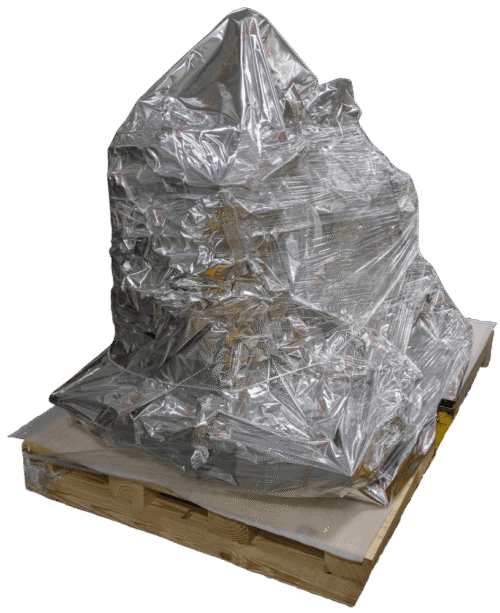 Moisture is one of the most significant threats to stored and transported materiel. Elevated humidity, condensation, and direct water exposure can lead to corrosion, mold growth, degradation of protective finishes, and electrical malfunction. MIL-STD-2073-1 establishes preservation methods intended to prevent environmentally induced deterioration, including corrosion control measures and barrier materials selected according to anticipated storage duration and environmental conditions.[2] These preservation requirements operate in conjunction with exterior containers that protect against water intrusion and mechanical damage.
Temperature Extremes
Military and aerospace systems may be transported or stored in environments subject to extreme heat, cold, or rapid temperature variation. Such conditions can affect seals, adhesives, lubricants, composite materials, and electronic assemblies. Environmental design considerations for defense equipment are commonly evaluated using methodologies described in MIL-STD-810, which outlines laboratory testing methods for temperature, humidity, and other environmental stressors.[5] While MIL-STD-810 applies to equipment qualification rather than packaging directly, its environmental exposure philosophy informs packaging design by identifying the types of climatic conditions that systems may encounter during their service life. Packaging must therefore be compatible with these environmental ranges and prevent secondary damage during transit and storage.
Dust and Contamination
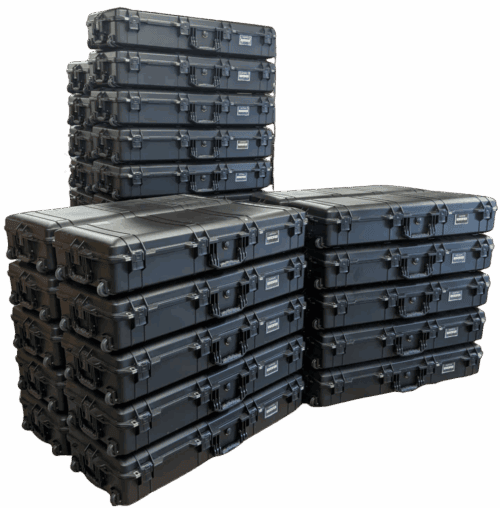 Particulate contamination, including dust, sand, and debris, can impair mechanical assemblies, optics, and electronic systems. Packaging standards emphasize protective enclosures and preservation measures that prevent foreign object intrusion during storage and handling. NASA’s NPR 6000.1 links packaging performance to hardware integrity and mission reliability, reinforcing the requirement to control environmental exposure throughout transportation and staging activities.[3]
Packaging as Environmental Risk Mitigation
Taken together, these standards reflect an environmental risk management approach to packaging. Rather than serving solely as a shipping container, the crate, case, foam, or exterior package functions as part of a layered protection system that includes preservation materials, structural support, environmental barriers, and handling controls. By aligning packaging design with recognized environmental exposure profiles and formal preservation standards, military and aerospace organizations treat packaging as a mitigation mechanism against harsh operating and logistics environments.
Mechanical and Handling Protection
In addition to environmental risks, military and aerospace materiel is exposed to significant mechanical hazards throughout transportation and storage. These hazards include shock from drops or impacts, vibration during ground, air, or sea transport, compressive forces from stacking or load shifting, and stresses associated with repeated handling. Packaging systems, including exterior protective shells, are engineered to mitigate these forces and preserve the structural and functional integrity of the contents.
Shock
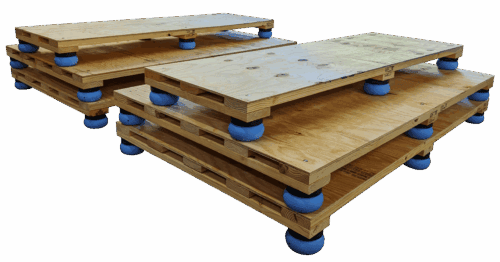 Shock events may occur during loading, unloading, or transfer between transportation modes. Sudden impacts can cause structural deformation, misalignment of assemblies, or internal component damage. Military packaging standards address this risk through requirements for container strength and internal stabilization methods designed to limit movement of the packaged item. MIL-STD-2073-1 establishes practices for selecting appropriate packing levels and methods to protect against physical and mechanical damage during handling and shipment.[2]
Vibration
Continuous vibration is a common hazard during truck, rail, maritime, and aircraft transport. Prolonged vibration can loosen fasteners, degrade sensitive components, or cause fatigue in structural members. Environmental engineering guidance provided in MIL-STD-810 includes vibration testing methodologies that characterize the types of mechanical stresses equipment may encounter during its service life.[5] While the standard applies to equipment qualification, the vibration profiles described in such testing frameworks inform packaging design considerations intended to reduce transmissibility of transport-induced vibration.
Compression
Stacking and load-bearing forces during warehousing and shipment introduce compressive stresses on exterior containers. Packaging must be capable of maintaining structural integrity under anticipated stacking loads without compromising internal protection. Military packaging practices therefore consider container strength, load distribution, and the anticipated storage configuration as part of packing design.[2]
Repeated Handling
Military and aerospace supply chains often involve multiple handling cycles, including depot processing, inspection, redistribution, and field deployment. Containers may be lifted, repositioned, opened, resealed, and transported repeatedly. Standards governing preservation and packing explicitly recognize storage and multiple handling cycles as part of the protective requirement.[2] NASA’s NPR 6000.1 similarly emphasizes packaging performance in the context of repeated transportation and handling activities supporting mission operations.[3]
Blocking, Bracing, and Cushioning
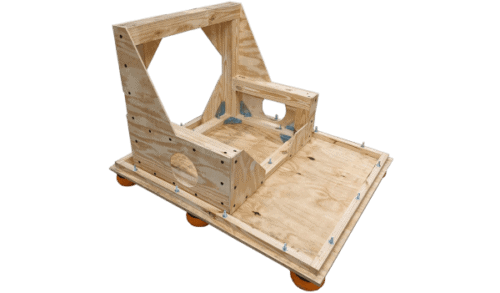 To mitigate mechanical hazards, packaging systems commonly employ internal stabilization methods such as blocking, bracing, and cushioning. Blocking and bracing restrict movement within the container, maintaining alignment and reducing load shifting during transit. Cushioning materials are used to absorb and dissipate shock energy, thereby limiting acceleration transmitted to the packaged item. These methods are incorporated into packing practices defined under military packaging standards and are selected according to the item’s fragility, weight, and handling profile.[2]
Mechanical Protection Across Multimodal Transport
Military and aerospace logistics frequently involve multimodal transport, including combinations of truck, rail, sea, and air freight. Each mode introduces distinct mechanical stress patterns. By aligning container strength, internal stabilization, and handling compatibility with standardized packaging practices, crates, cases, and other exterior containers are designed to tolerate rough handling and varied transport conditions while maintaining protective performance. This integrated approach reinforces the role of packaging as a structured mechanical protection system rather than a simple shipping enclosure.
Injection Molded Cases with Custom Foam Protection
In addition to wooden or fabricated exterior shipping containers, military and aerospace packaging systems frequently utilize molded polymer transport cases designed for durability, environmental sealing, and repeatable handling. These cases, often manufactured through injection molding processes, serve as reusable exterior containers for sensitive equipment, instruments, electronic assemblies, and mission-critical components.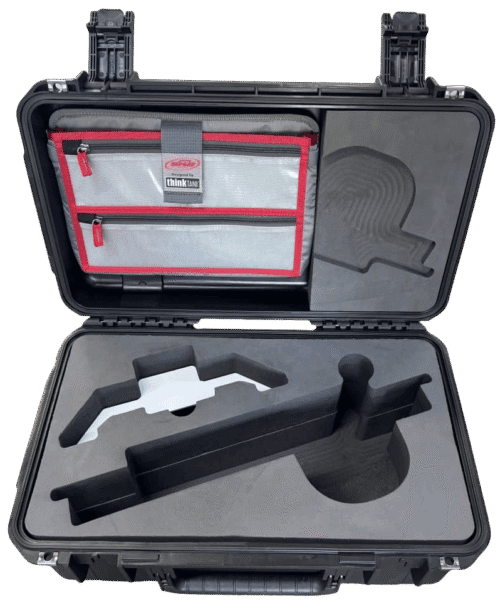
Structural and Environmental Performance
Injection molded cases are typically constructed from high-strength polymer materials selected for impact resistance and dimensional stability. When used in military or aerospace contexts, such cases must align with applicable packaging and environmental protection requirements, including those defined in MIL-STD-2073-1 for packing and preservation.[2] Exterior case selection is based on factors such as weight, fragility, storage duration, and anticipated distribution environment.
Many molded transport cases incorporate gasketed sealing systems designed to limit moisture ingress, dust intrusion, and environmental contamination. These characteristics support preservation objectives established in military packaging standards and complement corrosion control and barrier methods applied directly to equipment.[2]
Custom Foam and Internal Stabilization
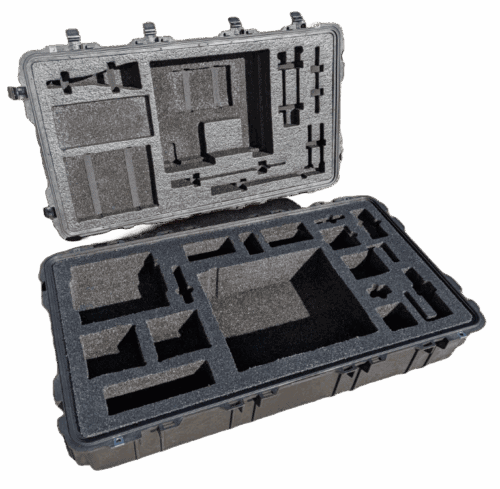
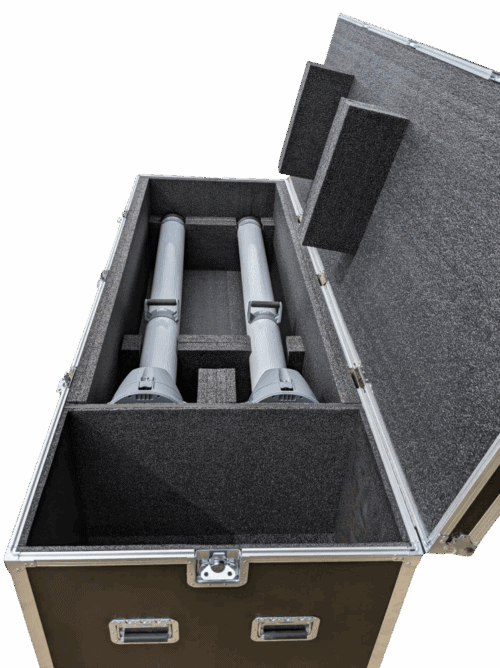
For precision equipment, electronics, optics, and sensitive assemblies, interior stabilization is a critical component of packaging design. Custom-fabricated cushioning materials, including engineered foams, are used to support and isolate components within the container. These materials are selected according to fragility characteristics and anticipated mechanical hazards, including shock and vibration.
Military packaging doctrine recognizes blocking, bracing, and cushioning as integral elements of packing methods intended to reduce movement and mitigate physical damage during handling and shipment.[2] In molded case systems, custom foam inserts perform this stabilization function by: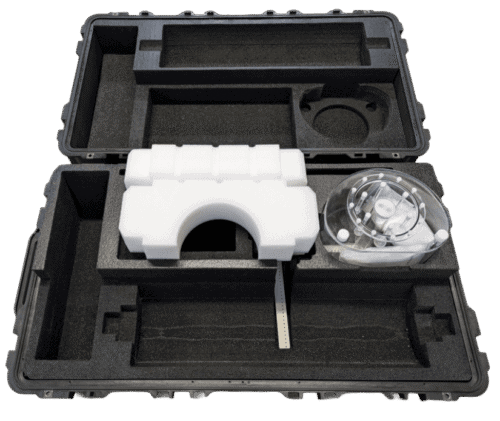
- Restricting internal movement
- Distributing loads
- Absorbing shock energy
- Reducing vibration transmission
By integrating rigid exterior shells with engineered interior cushioning, molded transport cases operate as composite protective systems rather than simple enclosures.
Reusability and Lifecycle Integration
Injection molded cases are commonly designed for repeated use across multiple transport and handling cycles. Durable construction, latch systems, and replaceable interior cushioning allow these cases to support inspection, redeployment, and long-term storage workflows. This aligns with the lifecycle-focused packaging philosophy described in military and aerospace standards, which recognize storage and repeated handling as part of the protective requirement.[2][3]
In applications involving field deployment, maintenance operations, or mission kits, molded transport cases may accompany equipment throughout operational use, serving both protective and organizational roles. Their compatibility with standardized marking practices (as defined in MIL-STD-129) supports traceability and inventory control within broader logistics systems.[4]
Role Within the Packaging Framework
Within the regulatory framework of governing military and aerospace packaging, injection molded cases with engineered foam interiors represent one category of exterior container selected according to the item’s characteristics and distribution environment. As with crates and other container types, their design must align with preservation methods, environmental exposure considerations, and handling requirements defined by applicable standards.
When properly specified and integrated, molded case systems function as part of a standards-driven packaging approach intended to mitigate mechanical and environmental risk, preserve equipment integrity, and support operational readiness across the materiel lifecycle.
Crates as Exterior Shipping Containers
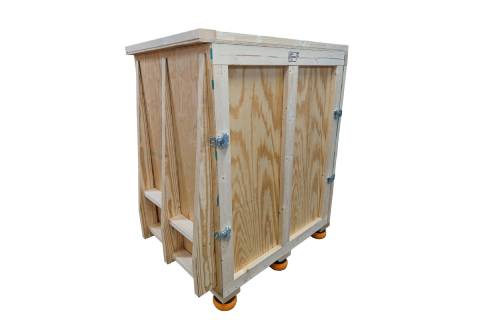
Within military and aerospace packaging systems, crates commonly function as exterior shipping containers designed to provide structural protection and handling compatibility for preserved and packed materiel. Exterior containers serve as the outermost protective layer, enclosing internal preservation materials, cushioning systems, and stabilization components. Military packaging standards distinguish between preservation applied directly to an item and the exterior container selected to protect it during storage, handling, and shipment.[2]
Structural Functions
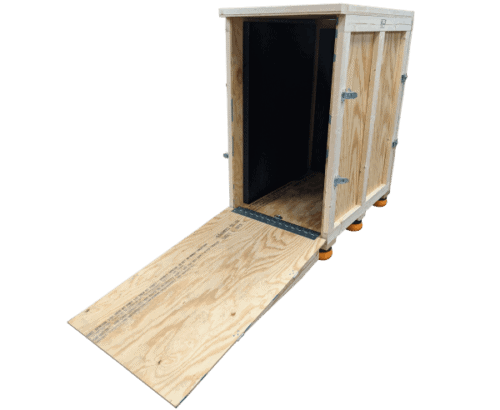
As exterior containers, wood crates are engineered to perform specific structural roles within the logistics environment.
1) Load Bearing
Crates must support the weight of the packaged item while also resisting external forces encountered during stacking, transport, and storage. Military packaging guidance requires exterior containers to be selected or designed according to the item’s weight, fragility, and distribution environment.[2] Structural integrity ensures that compressive loads and handling stresses do not compromise internal protection.
2) Stackability
Warehousing and deployment operations frequently require stacked storage configurations. Exterior containers must therefore be capable of maintaining stability and structural performance under anticipated stacking loads. MIL-STD-2073-1 addresses container selection criteria in relation to storage and shipment conditions, including anticipated handling and load configurations.[2]
3) Equipment Alignment and Stabilization
For precision assemblies and sensitive systems, crates provide a rigid framework that supports internal blocking and bracing methods used to maintain alignment during movement. By limiting relative motion within the container, the exterior crate works in conjunction with internal stabilization measures to reduce the effects of shock and vibration.[2]
Handling and Logistics Compatibility
In addition to structural performance, crates must be compatible with standard military material-handling equipment and logistics practices.
1) Forklifts and Cranes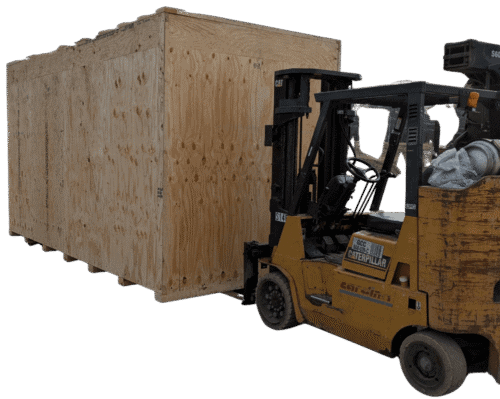
Military supply chains rely on mechanical handling equipment for movement within depots, staging areas, and transportation hubs. Packaging practices account for lifting, hoisting, and repositioning operations, and exterior containers are designed to accommodate these handling methods safely.[2] Repeated handling cycles are explicitly recognized within military packaging standards as part of the protective requirement.
2) Palletized and Unitized Loads
Crates are often integrated into palletized or unitized load configurations to facilitate efficient transport and inventory control. Military logistics doctrine emphasizes unitization and standardized load handling systems to improve mobility and traceability.[4] Exterior containers must therefore be compatible with pallet dimensions, load securement practices, and intermodal transport requirements.
By combining structural load-bearing capability with compatibility for mechanical handling and standardized load systems, crates function as engineered exterior shipping containers rather than simple enclosures. Within the military and aerospace regulatory framework, their design is guided by codified packaging standards intended to support storage integrity, transportation efficiency, and operational readiness across the logistics lifecycle.
Integration with Storage and Deployment Workflows
Military and aerospace packaging is designed to function beyond a single transportation event. In many cases, packaged materiel may remain in storage for extended periods, undergo multiple inspection or redistribution cycles, or be deployed to forward operating locations before final use. As a result, packaging is integrated into storage, maintenance, and deployment workflows rather than treated solely as a shipping container.
Long-Term Storage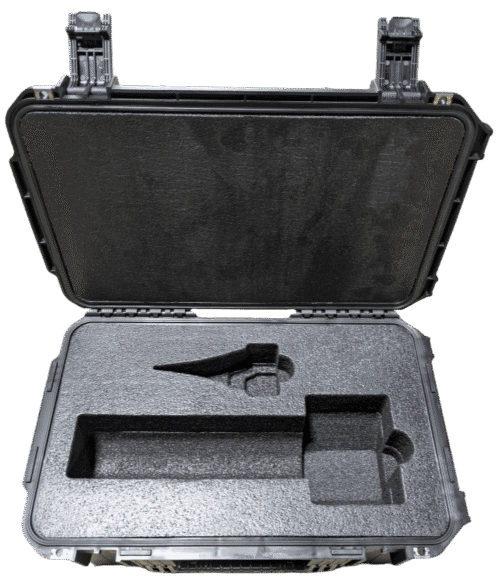
Military logistics systems frequently maintain inventories of equipment, assemblies, and spare parts for prolonged durations. Packaging must therefore preserve the condition and serviceability of materiel throughout long-term storage. MIL-STD-2073-1 explicitly addresses preservation and packing requirements based on anticipated storage duration and environmental exposure, recognizing that storage conditions are a primary factor in packaging design.[2] Preservation methods, barrier materials, and container selection are determined in part by projected shelf life and storage environment.
Repeated Opening and Resealing
Unlike many commercial shipments, military and aerospace containers may be opened for inspection, testing, or maintenance and then resealed for continued storage or redistribution. Packaging standards account for these repeated handling cycles by requiring durable exterior containers and preservation systems capable of maintaining protective performance after inspection activities.[2] NASA’s NPR 6000.1 similarly acknowledges that packaging, handling, and transportation processes support ongoing operational activities, not only initial shipment.[3]
Field Deployment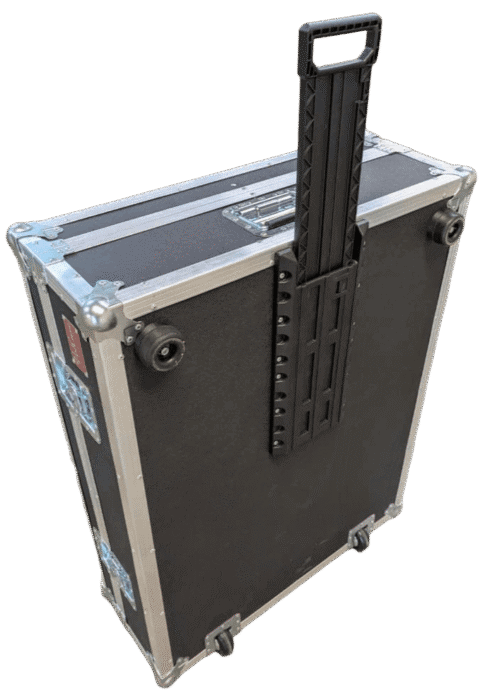
Packaging may accompany equipment into field environments, particularly when items must remain protected until installation or activation. In austere or forward operating conditions, packaging can provide continued environmental and mechanical protection when dedicated storage infrastructure is limited. Military packaging doctrine recognizes that containers may be subjected to varied transportation modes, staging environments, and operational handling conditions before deployment.[2]
Integration with Inventory and Maintenance Systems
Packaging also supports inventory management and maintenance workflows. Marking requirements defined in MIL-STD-129 provide standardized identification, labeling, and traceability for packaged items, facilitating accountability and logistics tracking across depots and operational units.[4] Packaging therefore contributes not only to physical protection but also to supply chain visibility and configuration control.
In maintenance contexts, properly preserved and packed components reduce the likelihood of corrosion, contamination, or damage during storage, thereby supporting readiness and reducing rework. By maintaining equipment integrity between production, storage, and deployment, packaging becomes a component of lifecycle management rather than a temporary enclosure.
Packaging Beyond a Single Shipment
Taken together, these practices demonstrate that military and aerospace packaging persists beyond a single shipment. Containers may support long-term storage, repeated inspection, redistribution, and forward deployment activities across the service life of materiel. Codified standards governing preservation, packing, and marking reflect this integrated role, positioning packaging as part of the operational logistics system rather than a one-time transport solution.
Summary
Military and aerospace packaging operates within a formal regulatory and technical framework that distinguishes it from typical commercial shipping practices. Rather than being selected solely for cost or convenience, packaging is governed by codified standards such as MIL-STD-2073-1 and MIL-STD-129 within the Department of Defense, and by agency-level requirements such as NASA NPR 6000.1 within the aerospace sector. These documents define preservation methods, exterior container selection, marking requirements, and handling procedures intended to ensure materiel integrity across storage, handling, and transportation environments.
The standards-driven nature of military and aerospace packaging reflects the need to manage both environmental and mechanical risk. Packaging systems are designed to mitigate moisture, corrosion, temperature extremes, dust, shock, vibration, compression, and repeated handling stresses encountered during multimodal transport and extended storage. By aligning container construction and preservation methods with documented environmental and mechanical exposure profiles, packaging functions as a structured risk mitigation layer rather than a simple enclosure.
Equally important, military and aerospace packaging supports more than shipment. Codified requirements explicitly address long-term storage, repeated handling cycles, inspection and resealing, marking for traceability, and integration into deployment workflows. Packaging therefore contributes directly to operational readiness by preserving equipment condition and reducing the likelihood of degradation between production, storage, and field use.
Taken together, these standards demonstrate that military and aerospace packaging is treated as a logistics and engineering requirement embedded within lifecycle management systems. It supports transportation, storage integrity, inventory control, and mission assurance across the service life of materiel. In this context, packaging is not a discretionary commodity but a defined technical control intended to preserve reliability, readiness, and operational continuity.
References
- [1] U.S. Army Packaging, Storage, and Containerization Center (PSCC) – “Packaging: The Basics”
- [2] U.S. Department of Defense. MIL-STD-2073-1E: Standard Practice for Military Packaging.
- [3] NASA. NPR 6000.1G: Requirements for Packaging, Handling, and Transportation for Aeronautical and Space Systems, Equipment, and Associated Components
- [4] U.S. Department of Defense. MIL-STD-129R, Military Marking for Shipment and Storage.
- [5] U.S. Department of Defense. MIL-STD-810H, Environmental Engineering Considerations and Laboratory Tests.
About Vol Case
Volunteer Case & Container is the oldest custom crate and case manufacturer in the East TN area. Founded over 30 years ago, all of our protective packaging solutions are still designed and assembled at our facility in Oak Ridge, TN. We specialize in custom wood crates, ATA cases, wood or plastic containers, injection molded cases, and waterjet or CNC cut foam inserts. Our customers span a variety of industries including nuclear, government, aerospace, military, medical, R&D, and more. Our team has experience designing and building everything from huge wood crating for 70,000+ lbs machinery to small injection molded cases for key-sized objects. Whatever your needs, our team works on quick turnaround times to provide you with high quality protective packaging. Contact us today for a free quote.
Our Products
No matter the size or sensitivity of your product, Vol Case has a protective packaging shipping solution for you.
Wood Crates
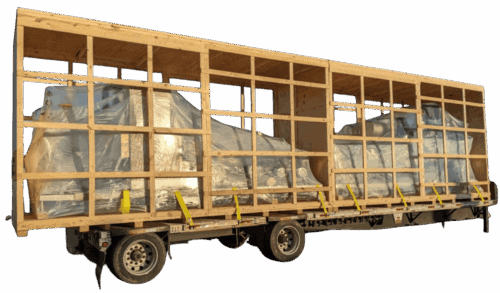
All of our crates are stamped and certified for international export. Whether you need a single small crate delivered to you or dozens of oversized crates built onsite at your facility, we can handle the job. Our crates are fully customizable and can include foam, shelves, shock absorbers, ramps, latches, and more. We have experience building both commercial and military crates for equipment weighing 70,000+ lbs. Learn more here.
ATA / Road Cases
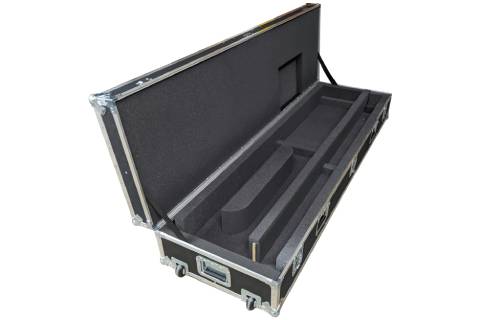
ATA / Road cases are best for highly sensitive objects that are light enough for one or two people to lift and move around. Our ATA cases can be either wood or plastic siding and all have durable metal edging. All ATA cases come with custom foam interiors and can have any number of wheels, handles, partitions, straps, latches, and more. Our cases are split or pop riveted together to ensure maximum strength and durability. Learn more here
PE & Wood Containers
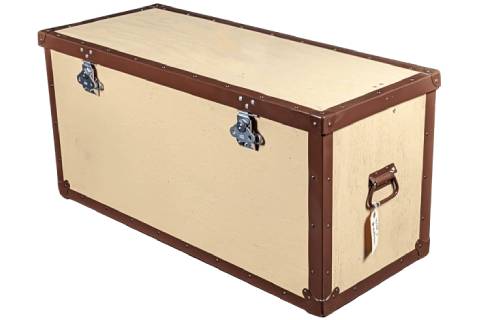
If you need something lighter or cheaper than an ATA case, our PE and wood containers are the solution. PE containers are made with a strong, but lightweight, plastic siding and no metal edges. This provides a lighter and cheaper option to an ATA case, while still very durable. Our wood containers are made with wood sides and metal edges and are our most cost effective case option, but are heavier than the PE version. Learn more here.
Trunk Cases
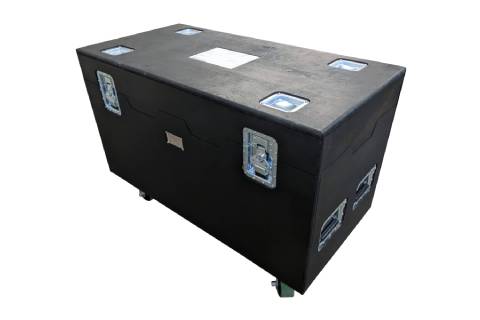
Trunk cases are perfect for equipment regularly transported by box truck. Our trunk cases come in three sizes: Small - 22.5” x 30” x 30”, Medium - 22.5” x 45” x 30”, & Large 30” x 45” x 30”. These exterior dimensions allow them all to fit neatly in a box truck for maximum capacity. All trunk cases include handles, latches, four swivel castors, and castor cups on top to allow for secure stacking. As needed, labels, dividers, and foam can be added as well. Learn more here.
Injection Molded Cases
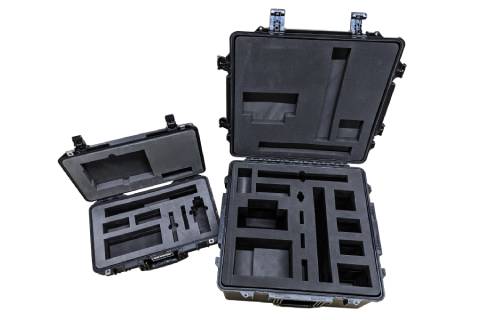
We are a certified distributor for Pelican, SKB, and Nanuk cases, meaning we offer better pricing than you’ll find anywhere else. All of our injection molded cases are watertight, comply with military specs, and are built to withstand the harshest environments. Custom waterjet or CNC cut foam inserts are available for all cases for maximum protection. Whether you need a case to hold one object or many, we can design a case for you. Learn more here.
Waterjet & CNC Cut Foam
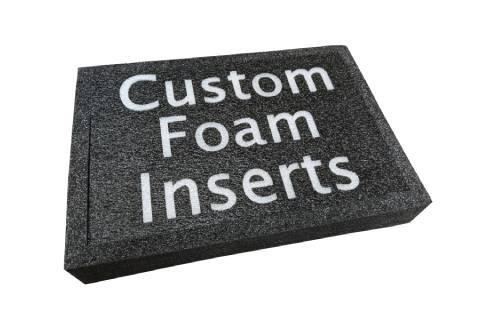
We offer a wide range of foam types, densities, and colors to best fit your needs. We offer foams types such as PE, PU, Crosslink, and Zote foam. All of these are available in a variety of densities depending on the weight and sensitivity of your equipment. We also offer colors other than the standard black/charcoal and have options such as anti-static. All these foam varieties can be waterjet or CNC cut to perfectly fit your product. Learn more here.
Contact Us
Whether you need one wood crate or hundreds of ATA cases, we’d love the chance to earn your business. All of our designs and quotes are done for free without any purchase required. We are able to work off dimensions/CAD files that you provide to us or we can visit your facility to take measurements of the equipment.
(865) 481-3801
sales@volcase.com
328 Warehouse Rd. Oak Ridge, TN 37830