Aircraft engines and turbines
Identify suitable support and attachment points, the center of gravity and any limits on orientation during handling.

Aerospace packaging
Support large assemblies and protect delicate parts.
Vol Case builds ISPM-15 certified custom wood shipping crates for aircraft components, avionics and ground support equipment. We design the crate around the equipment's weight, shape and handling needs, with space for exposed parts and access for loading.
Free design & quoting. No obligation.

Plan the base and supports around the weight and the places that can carry it.
Specify surfaces, electronics and protruding parts that need particular care.
Check the proposed crate and quote before approving the build.
Support and loading
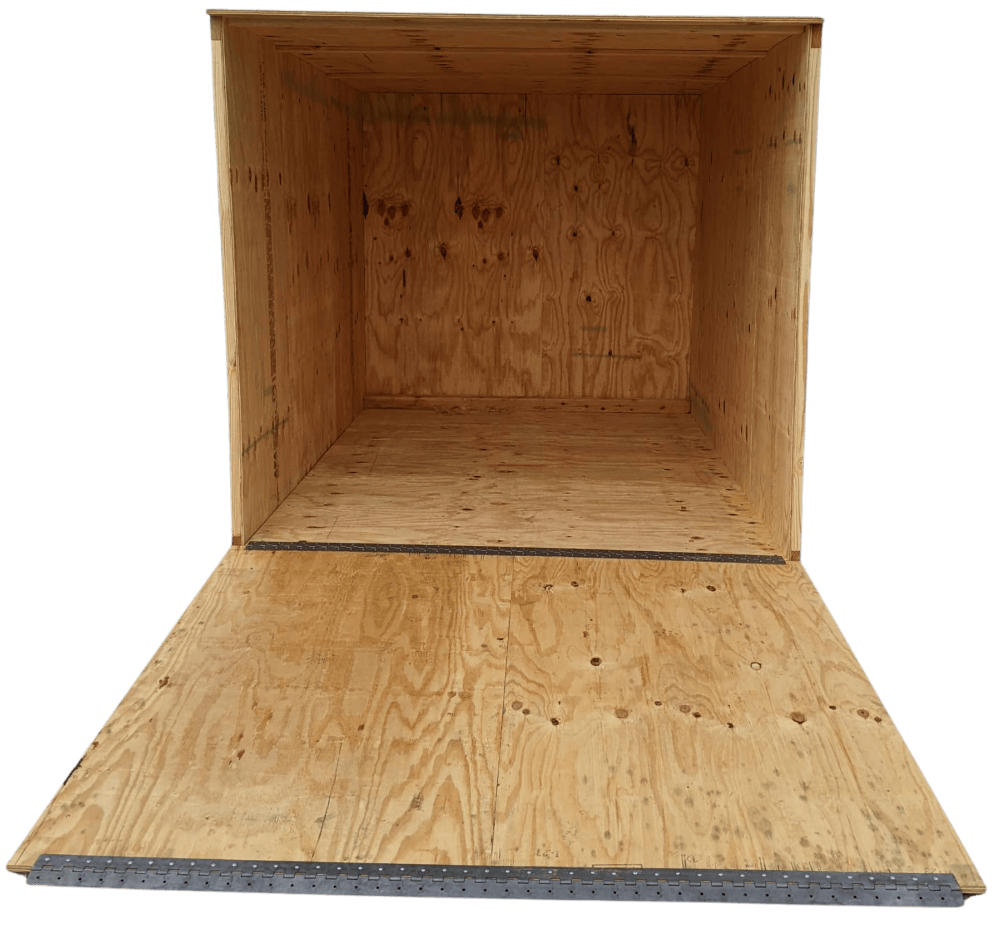
A custom wooden crate needs to hold the equipment in place as well as enclose it. We design the base based on the equipment weight and handling requirements. Then we add supports and blocking where the equipment can safely rest or be secured.
We design the base for the equipment’s weight, where that weight sits and how it will be lifted. All our crate bases provide clearance underneath for forklifts and pallet jacks.
Identify surfaces that must remain clear of supports. For sensitive electronics, we can review anti-static foam and cushioning needs.
Your options
We select these features for the equipment, handling method and planned use.
Common applications
Each equipment type raises different questions about support, access and protection.
Identify suitable support and attachment points, the center of gravity and any limits on orientation during handling.
Plan cushioning and clearance around connectors and exposed electronics, including any static-control requirements.
Account for irregular shapes, delicate surfaces and the space needed to load and remove large structural parts.
Read large-equipment crating guidanceAllow room around dishes, solar arrays and other exposed parts while supporting the equipment at suitable points.
Our process
Design assistance and quotes are free. We confirm the work and schedule for each project.
Provide dimensions, weight, center of gravity if known, and current drawings or models. Include sensitive areas, loading equipment, destination and any packaging specifications.
We prepare the crate design and review its supports, openings and loading access with you. Include any outside size or packed-weight limits.
All openings, supports and lifting access are designed and approved by you before production begins. A physical prototype is optional and quoted separately if a hands-on check is needed.
We build the approved crate or carry out the agreed crating work at your facility. We retain the design for repeat orders and equipment revisions.
Frequently asked questions
Contact us to discuss product selection, design requirements or an order.
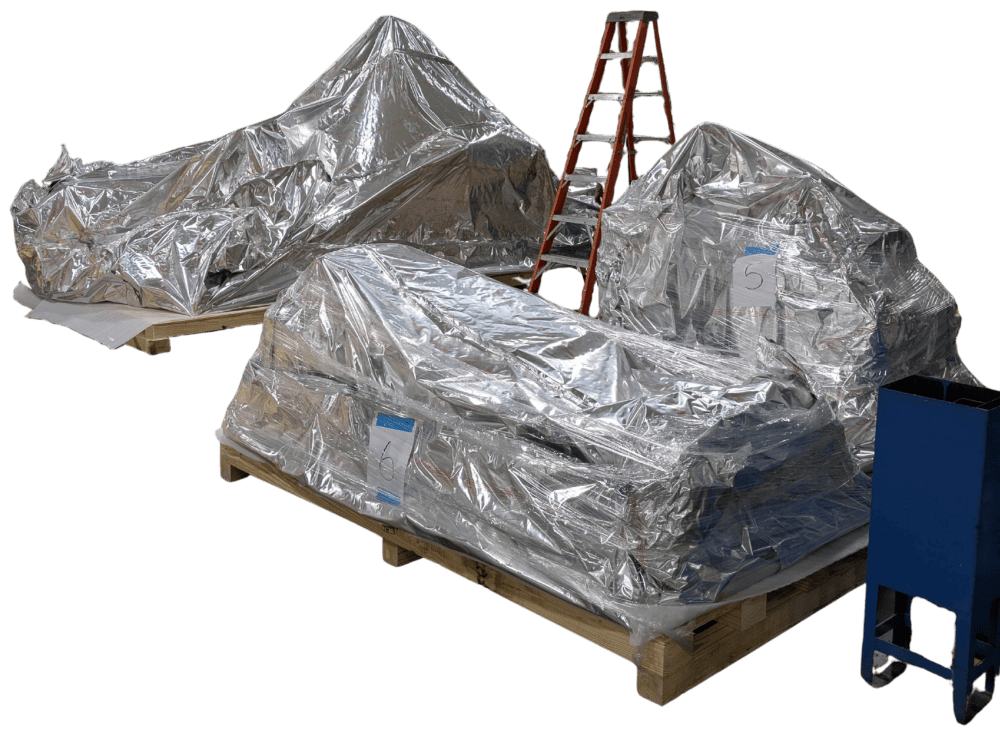
Yes, for suitable projects. We have experience crating equipment weighing over 70,000 lbs. We review your equipment, location, access and available handling equipment to determine the work we can provide.
Plan on-site cratingTell us about your project
Tell us what you need to pack, how it will travel and when you need it. We can help you choose a case, foam insert or wood crate.