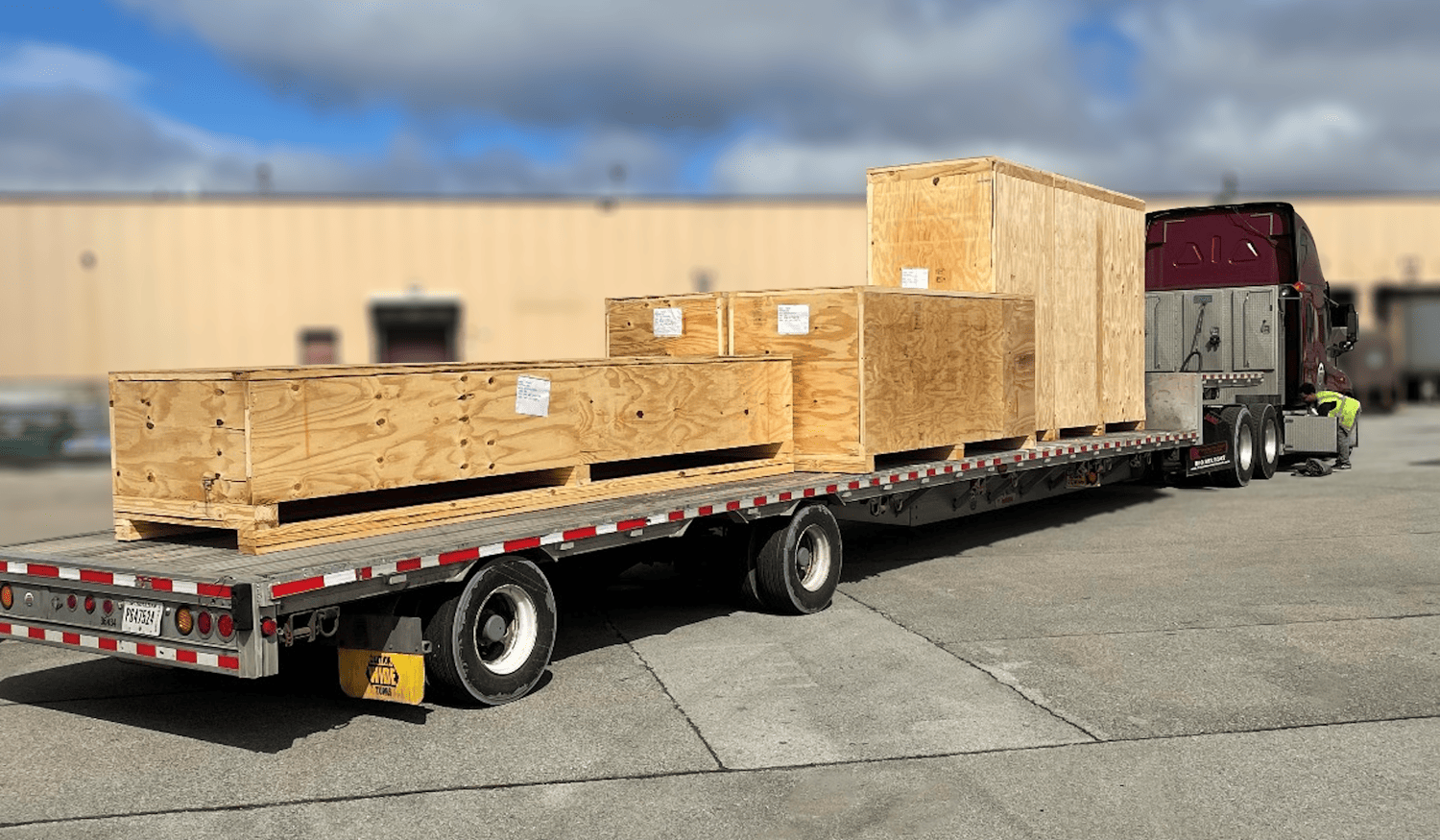

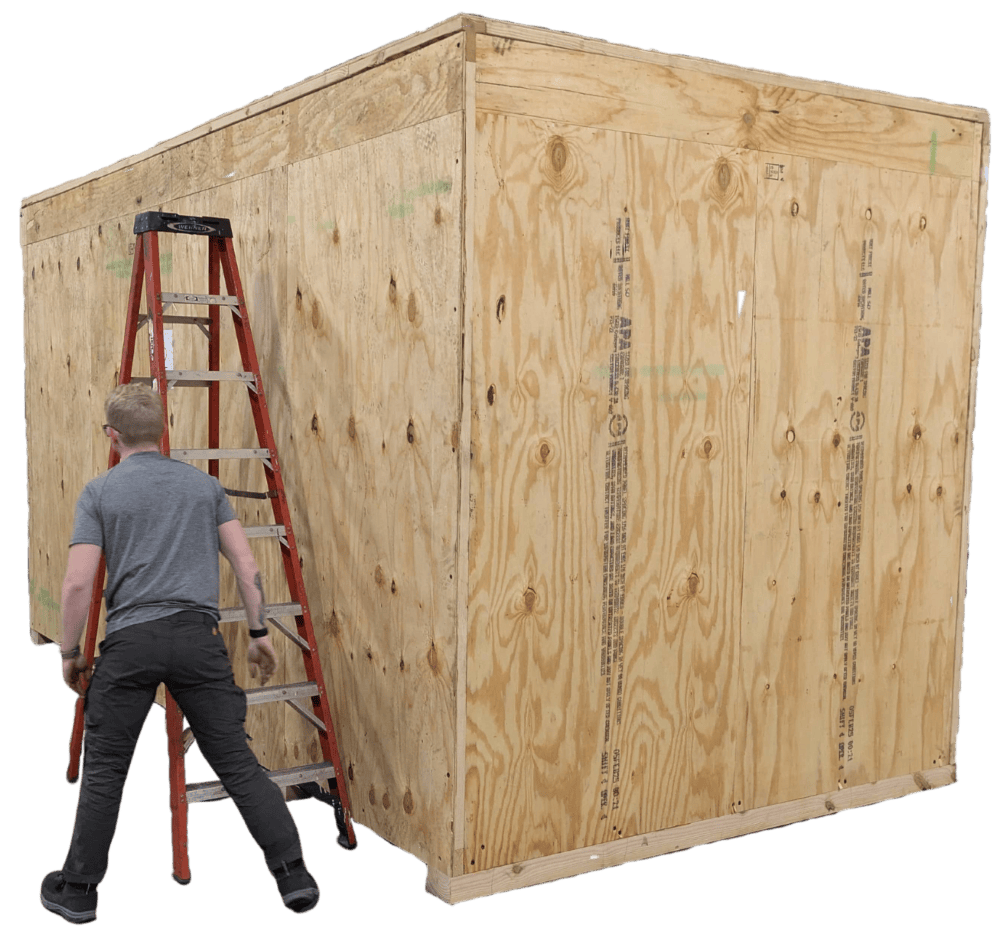
A completed crate
Have a crate built to fit your equipment and delivered ready for loading. All openings, supports and lifting access are designed and approved by you before production begins.

Custom industrial packaging
Built around your equipment and shipment.
Vol Case designs and builds ISPM-15 certified custom wood shipping crates for machinery, large assemblies and sensitive equipment. We size the base, supports and openings for your equipment and how it will be loaded. We supply crates throughout the eastern United States. Order a completed crate, have it supplied knocked down, or discuss on-site assembly at your facility.
Free design & quoting. No obligation.

We build the base and supports for the equipment’s weight and shape, using places that can safely carry the load.
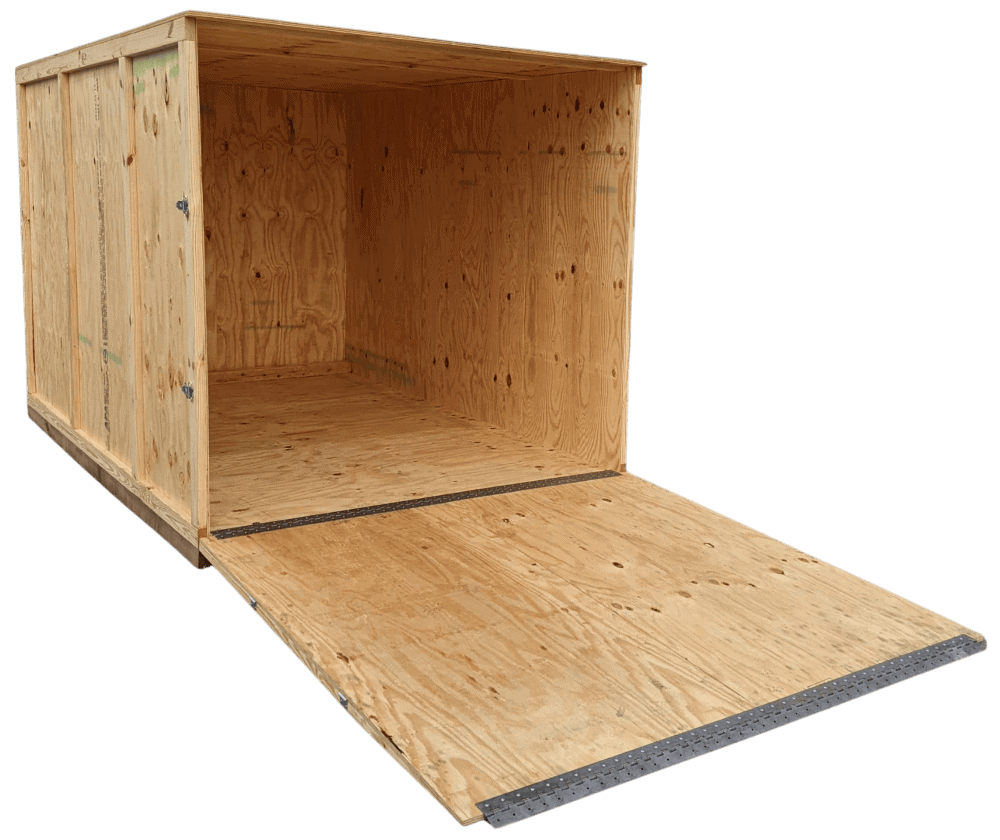
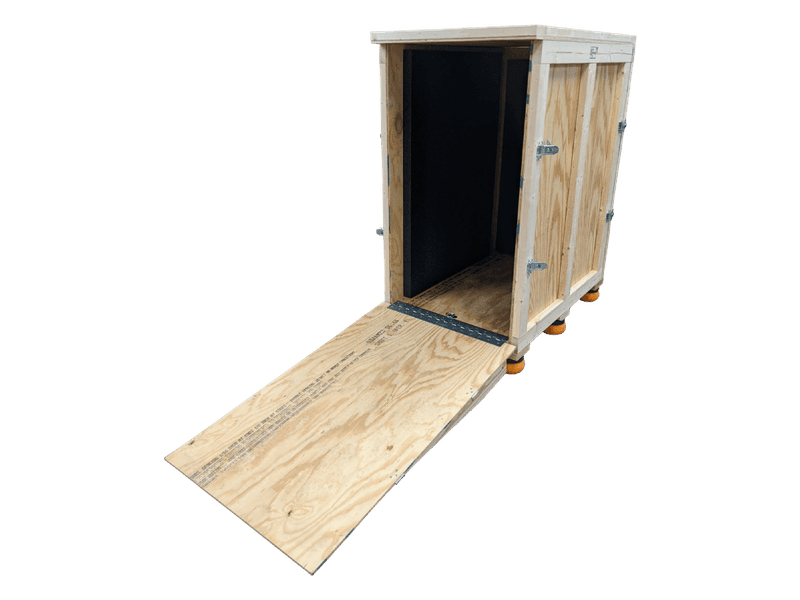
Removable panels, ramps and lifting access make it easier to get the equipment in and out.
Tell us where the crate is going and how it will be stored so we can plan the wood treatment, markings and protection needed.
Ways to order
Have a crate built to fit your equipment and delivered ready for loading. All openings, supports and lifting access are designed and approved by you before production begins.
On-site crating handles packaging that needs additional skills or equipment. A crate may be too large to transport fully assembled, or the shipment may need waterproof barrier bagging that requires specialized tools and skills. We can plan this work at your facility.
See on-site crating servicesCrates designed for repeated use let you get more out of each crate. We can also supply crates knocked down, so they take up less warehouse space and are easy to assemble when needed.
How we build your crate
A custom wooden crate needs to hold the equipment in place as well as enclose it. We design the base based on the equipment weight and handling requirements. Then we add supports and blocking where the equipment can safely rest or be secured.
We design the base for the equipment’s weight, where that weight sits and how it will be lifted. All our crate bases provide clearance underneath for forklifts and pallet jacks.
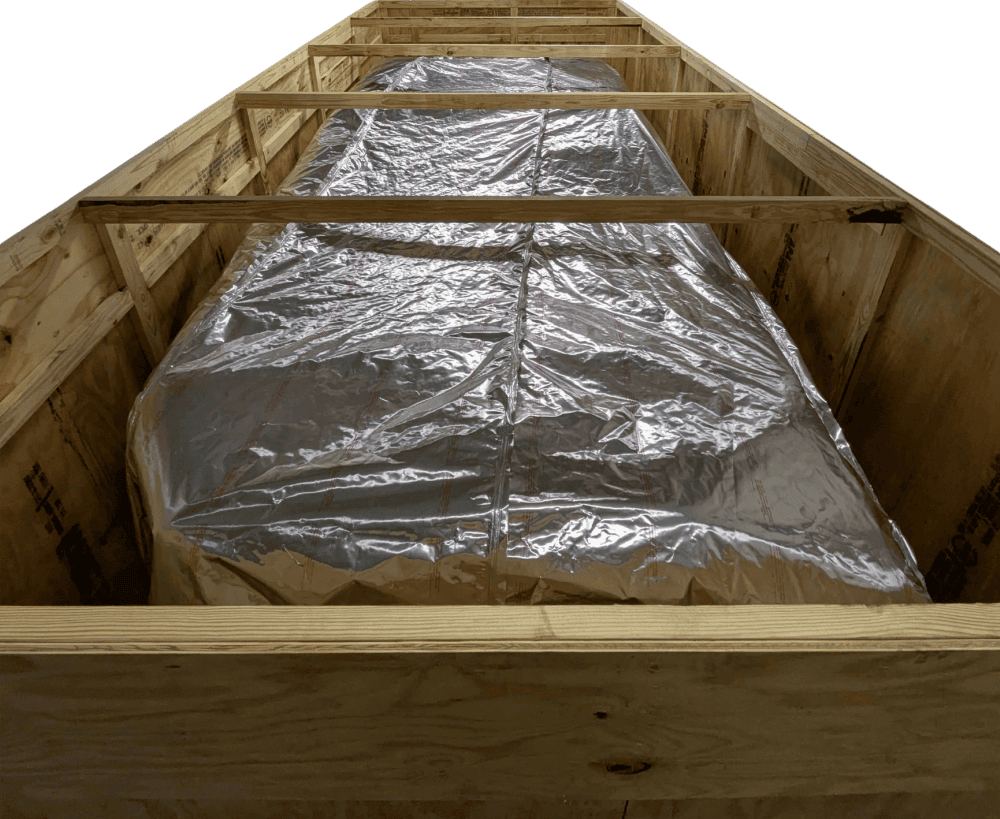
Blocking, bracing, shaped cradles and bolts hold the equipment at strong points. Padding protects the surfaces that touch the supports. We can also use bands or straps where the equipment and contact surfaces allow.
We add foam or other protective material where the equipment touches the crate. Waterproof barrier bagging and desiccant, which absorbs moisture, can protect sensitive shipments. We choose the approach for the journey and storage conditions.
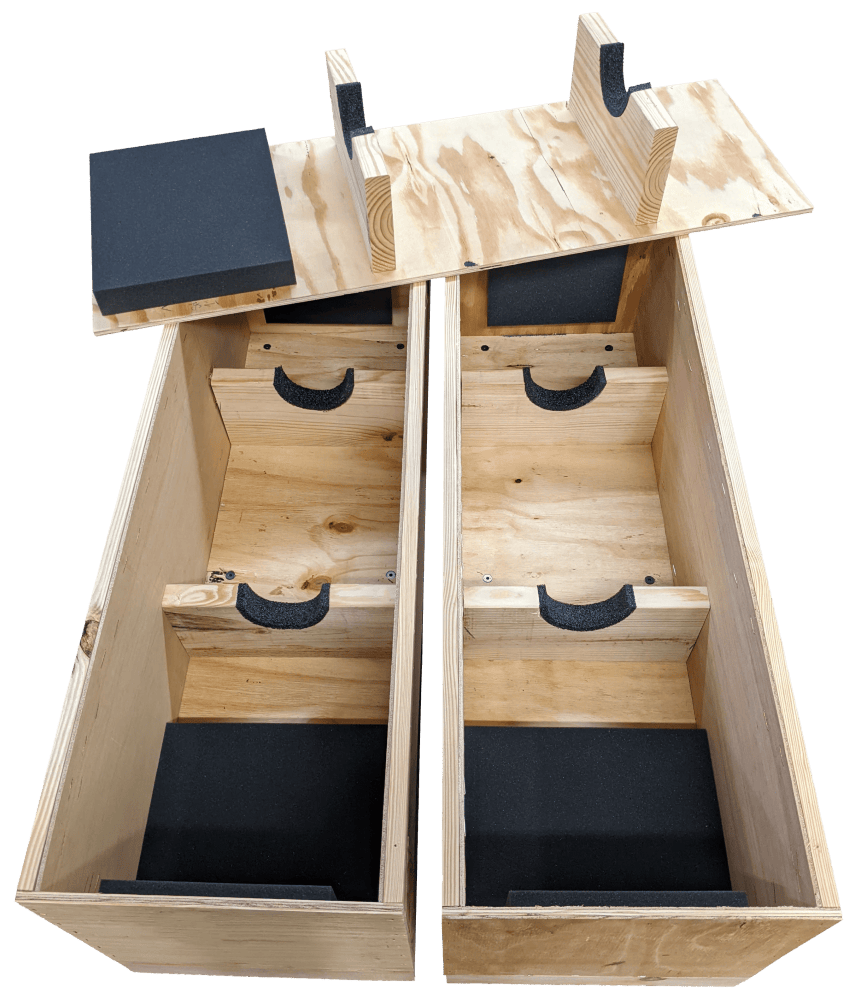
Export planning
Export crates subject to ISPM-15 will need approved treatment of regulated solid-wood components, including framing used with plywood panels. All wood crates we make are ISPM-15 certified and stamped.
In addition to the ISPM-15 stamp, we can add part numbers, center-of-mass markings, handling instructions and nameplates. Tell us what identification and handling information the shipment needs.
Tell us the destination and customer requirements before ordering. Meeting wood-packaging rules does not cover every rule for the cargo or its import. We also plan moisture protection and how the equipment is held in place.
Your options
Choose how you will load the equipment and open the crate again.
Common applications
We build industrial wood crates for individual parts, complete machines and equipment that needs to ship together.
Crates for production equipment, tooling and associated components moving between facilities.
Explore manufacturing applicationsCrates for large or awkwardly shaped systems, with the packaging and documentation each project requires.
Explore military wood cratingCrates for large instruments and research systems with sensitive connections or moisture-control requirements.
Explore electronics packagingCrates for medical equipment that needs protected surfaces and controlled loading and unloading.
Explore medical equipment packagingOur process
We prepare the design and quote, make any changes with you and arrange the build and delivery.
Use the shipment-planning checklist and include any drawings or photographs. We will let you know what else we need.
We recommend the crate design and features. Review what is included and the price before approving the work.
Resolve any design questions before we build. If you need a physical prototype, we agree what to make and quote it separately.
We build the crate or carry out the agreed work at your facility. We keep the design for repeat orders and can update it when your equipment changes.
Design assistance and quotes are free. We agree delivery and any on-site work for each project.
Related products
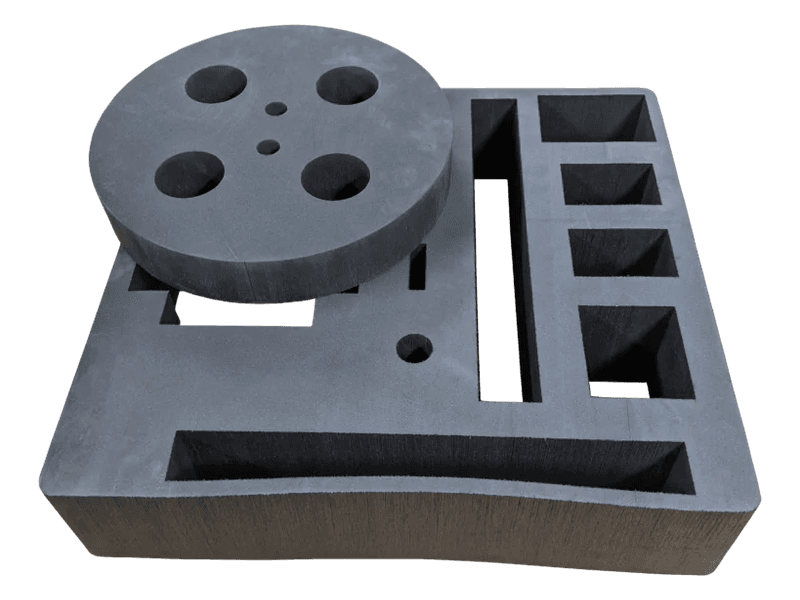
Order custom foam to cushion your equipment, with or without a new case or crate.
Explore custom foam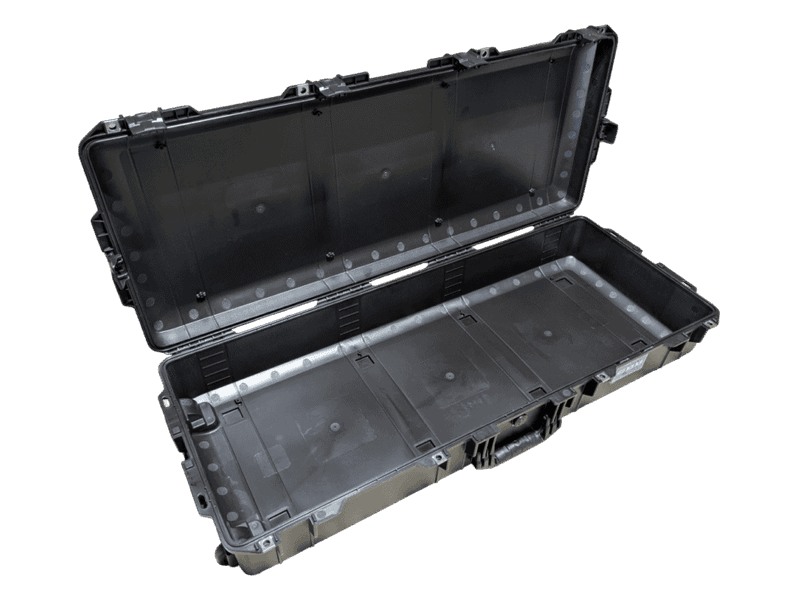
Choose a hard case with custom foam for equipment that fits a portable case.
Explore injection molded cases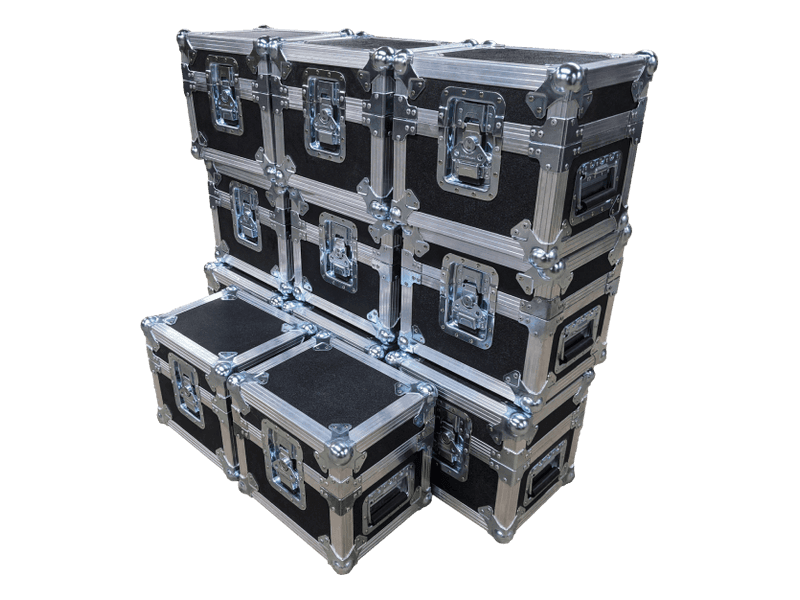
Consider a custom case for equipment that needs repeated transport and access.
Explore ATA / Road casesFrequently asked questions
Contact us to discuss product selection, design requirements or an order.
Use the shipment-planning checklist above and include any available drawings or photographs.
Keep the public inquiry to general, non-sensitive information. Arrange an approved transfer method before sharing controlled technical files.
View the shipment-planning checklistTell us about your project
Tell us what you need to pack, how it will travel and when you need it. We can help you choose a case, foam insert or wood crate.