
Research and development
Custom cases, crates and foam for research equipment.
We design packaging for companies developing and testing equipment, from portable instruments to large laboratory systems. Custom cases, foam inserts and crates support equipment during shipping, storage, demonstrations and repeated movement between lab and field locations.
Free design & quoting. No obligation.
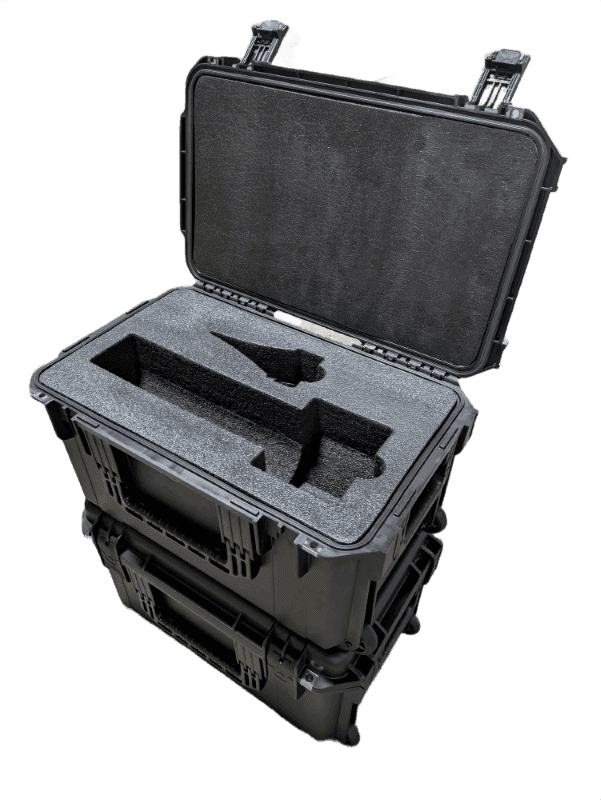
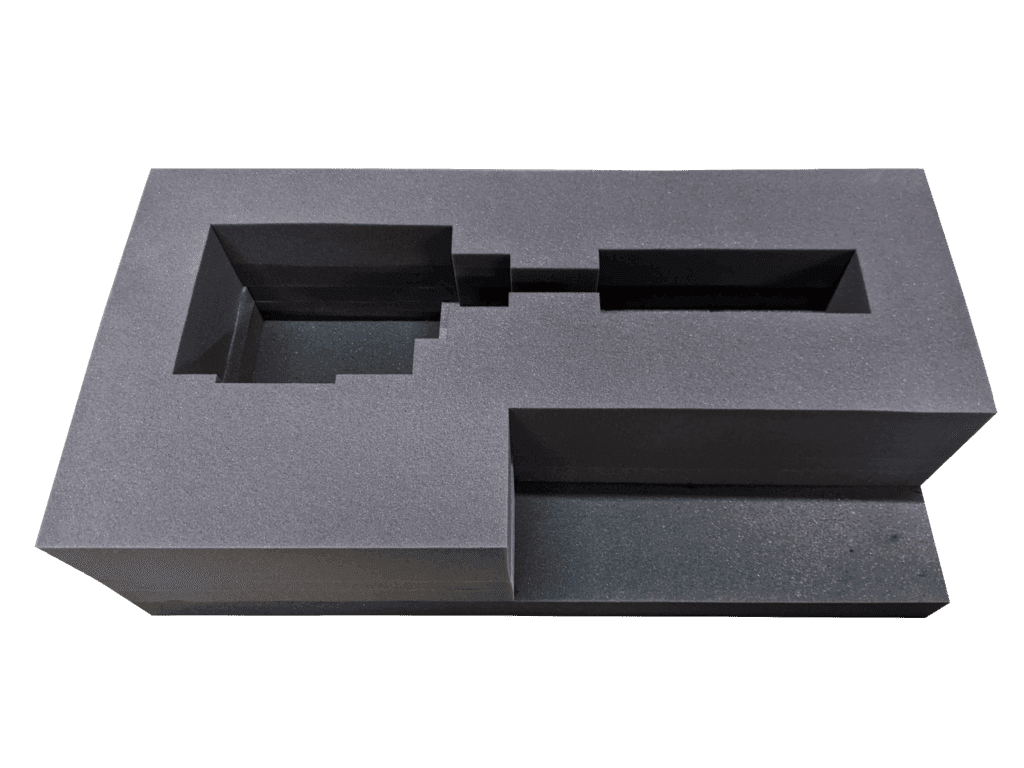
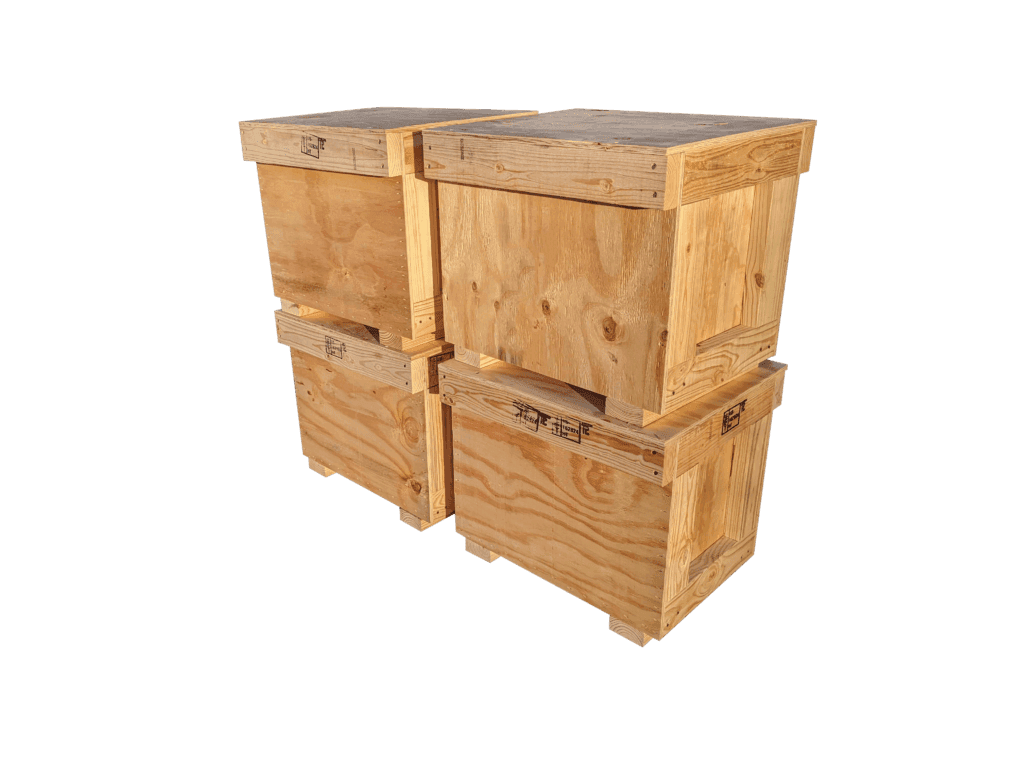
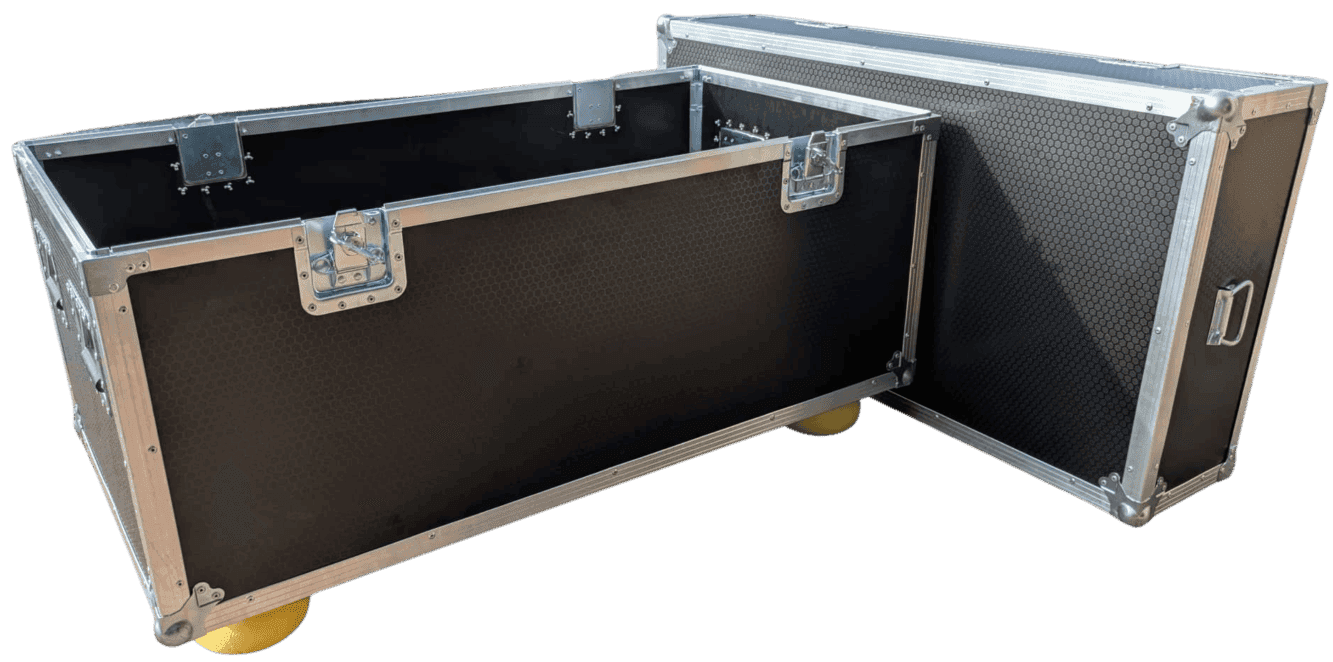
- In-house design
- Rapid prototyping
- USA-made packaging
Packaging options
Choose packaging for the instrument, kit or complete system.
The equipment's size, weight and use help determine the packaging. We supply cases and foam nationwide, and wood crates throughout the eastern United States.
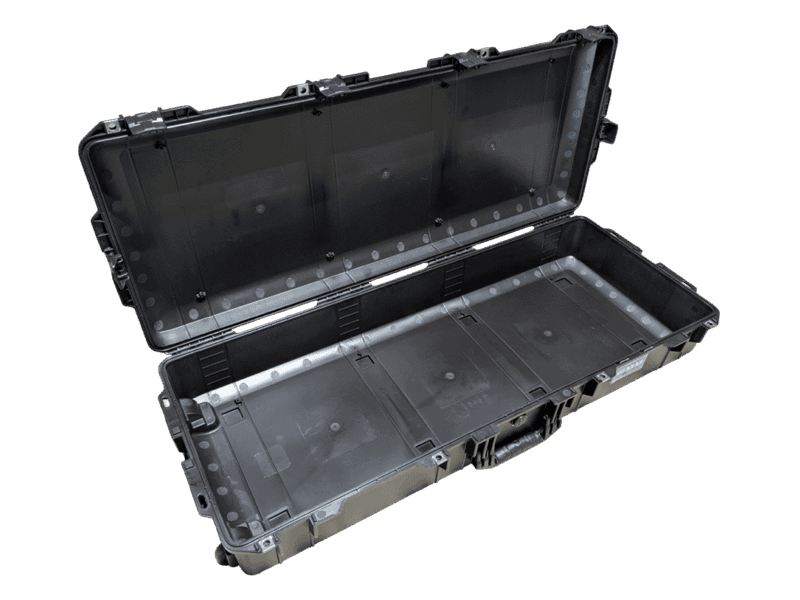
Injection molded cases
For portable test instruments, sensors and demonstration kits, we help choose a case and design the interior. Brands include Pelican, SKB, NANUK and Condition 1. Order the case alone or with custom foam.
Explore cases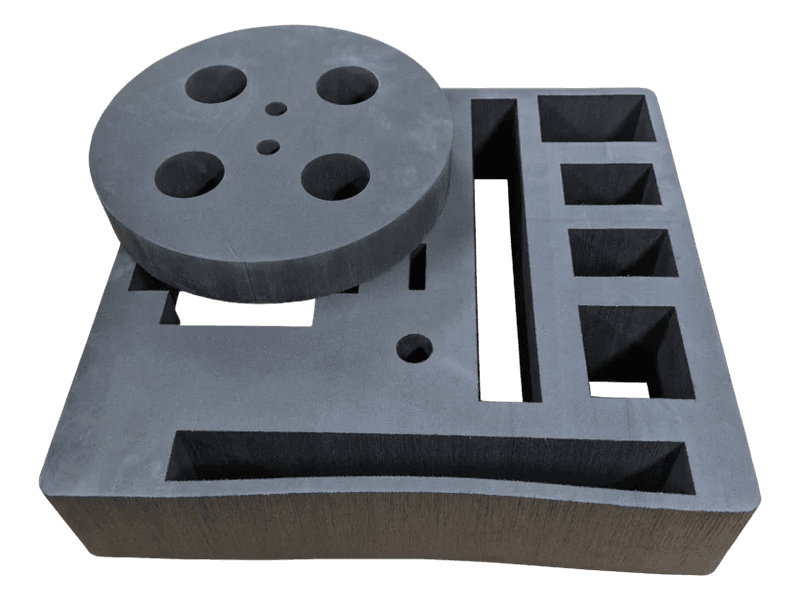
Custom foam inserts
Fitted pockets support instruments and keep accessories organized. We design inserts for new cases, crates and boxes, or packaging you already own. Foam-only orders are available.
Explore custom foam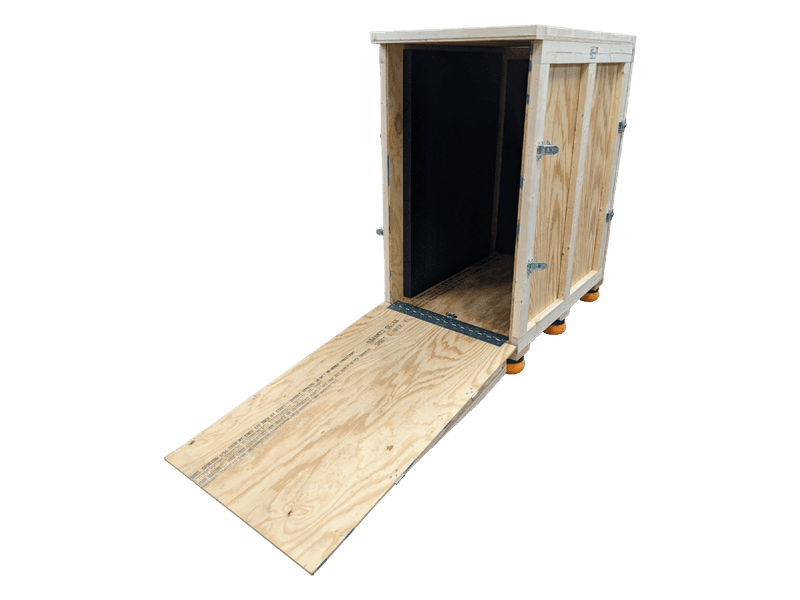
Wood crates
For large laboratory instruments, automated assemblies and bulky prototypes, we design the base, supports and enclosure around the load. Removable panels and loading features can make equipment easier to pack and unpack.
Explore wood crates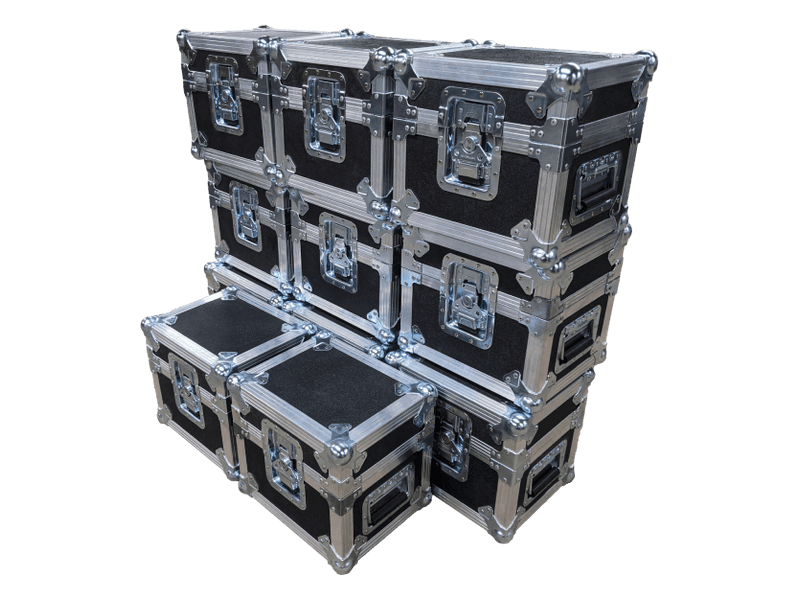
ATA cases
For laboratory and field equipment moved repeatedly, we build cases in custom sizes. Shelves, trays, removable covers, handles and wheels can help users reach instruments and move the loaded case.
Explore ATA casesSensitive instruments and accessories
Support delicate equipment and keep each part accessible.
Microscopes, analytical instruments and electronic test equipment can have exposed surfaces that need to stay clear of the foam. We plan support and access around the complete equipment list.
Support suitable surfaces
We shape foam around the equipment's weight and contact points, leaving clearance for lenses, probes, connector pins and controls. Tell us which areas can touch the foam and which must remain clear.
Keep accessories easy to find
Separate pockets, finger openings, trays and labels can help users find cables, adapters and smaller parts. We consider the order of use so frequently needed items are accessible when the case opens.
Choose foam for the equipment
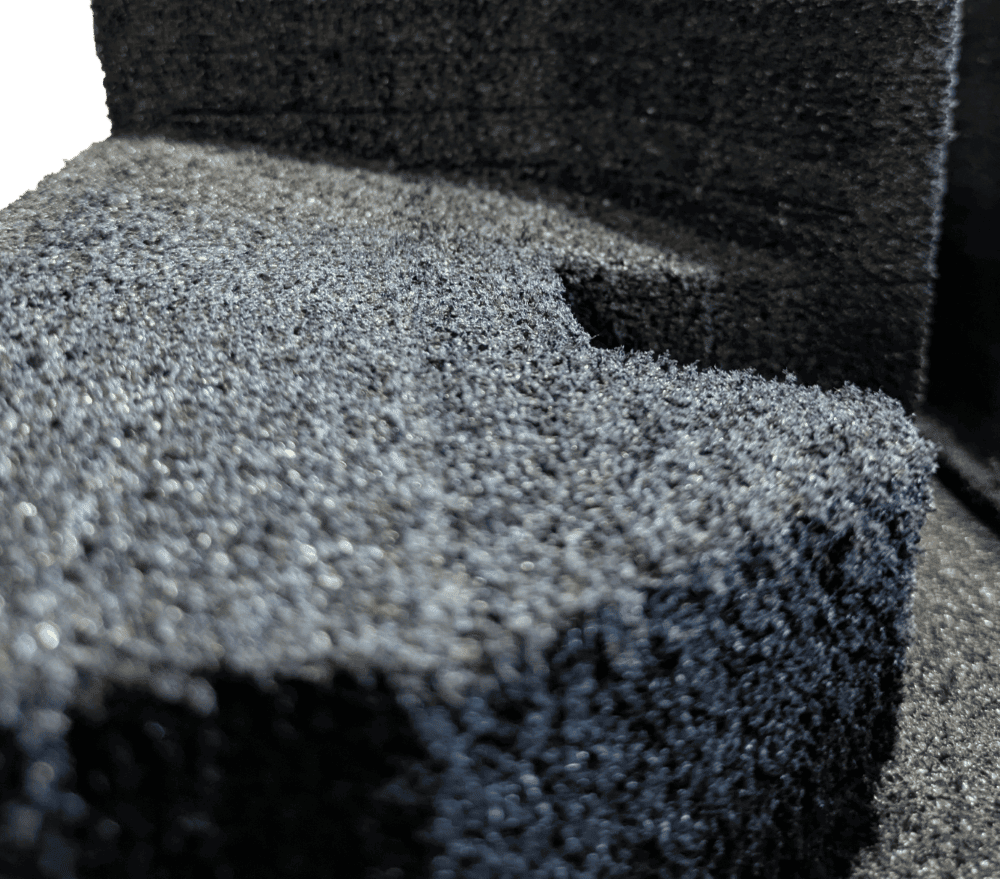
We offer polyethylene (PE), polyurethane (PU) and cross-linked polyethylene (XLPE) in different densities and colors. We use CNC routing and waterjet cutting; PU is waterjet-only. For static-sensitive electronics, we review the proposed foam grade against your electrostatic-discharge requirements.
Large instruments and assemblies
Plan how the equipment will be supported and loaded.
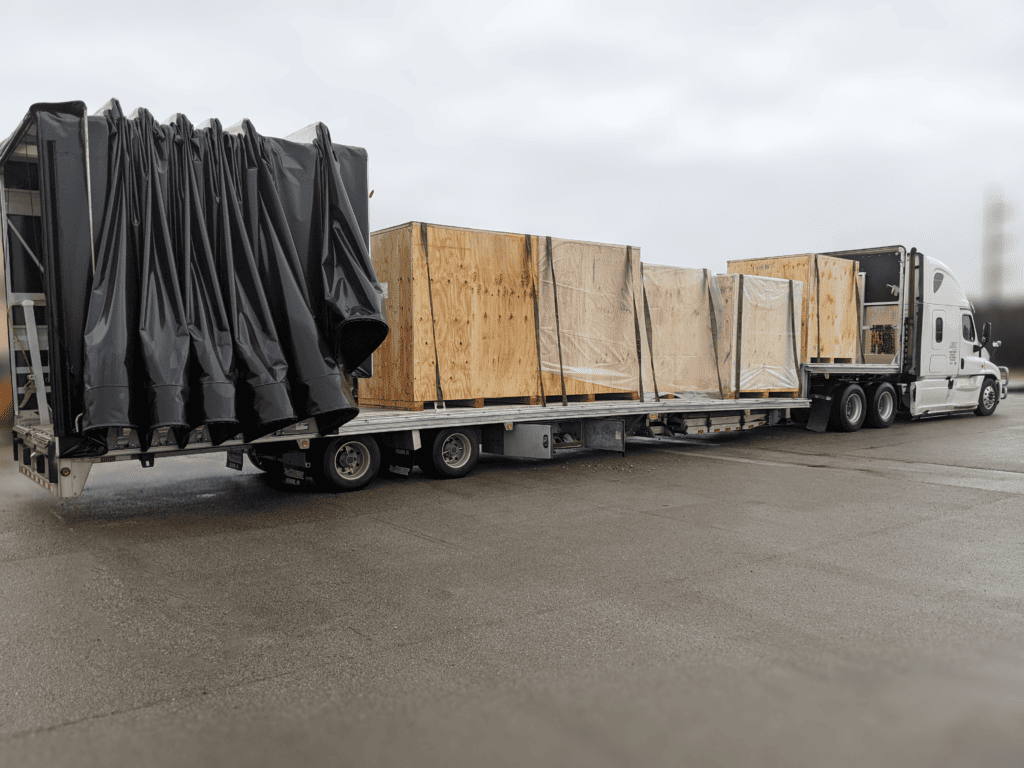
Large instruments and automated lab assemblies may need custom supports and loading access. We review the weight, dimensions, lifting points and equipment available at the destination.
Secure the load and provide access
Blocking, bracing and restraints can hold equipment at suitable support points. Removable walls, ramps and forklift access can be included where useful. Loading and unpacking methods help determine the design.
Review moisture protection
Waterproof barrier bagging and desiccant, which absorbs moisture, can be included for sensitive shipments. The packing approach depends on the journey, equipment and planned storage period.
Arrange crating at your facility
On-site crating can help when large equipment is difficult to move. We review the location, working space, access and packing work before arranging a visit.
See how on-site crating works
Development and field-use examples
Packaging for changing equipment and field evaluations.
Military-drone development
Packaging that changed with the prototype.
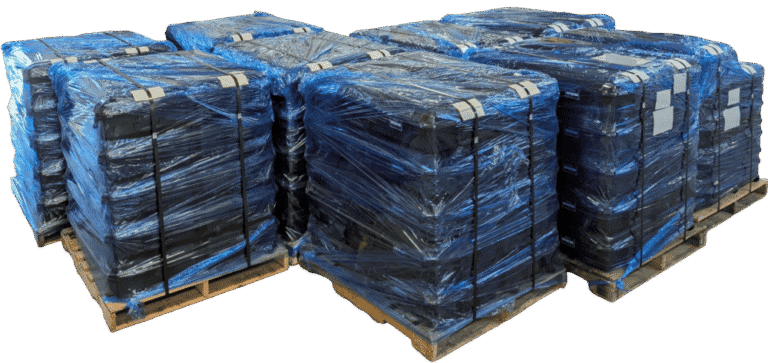
For a defense startup's drone system, we developed three Pelican 1745 Air case layouts with shaped PE foam and lid storage. We managed 41 design revisions over three years as the equipment changed. The approved layouts went on to regular production for testing, demonstrations and field use.
Read the case study
Robot field demonstrations and evaluation
Separate the robot from its field accessories.
A customer needed to transport a Boston Dynamics Spot robot with a custom LiDAR payload, computer, cables and accessories. We designed two cases because of the robot's weight. One held Spot; the other kept the supporting equipment organized and accessible for field use.
Read about this projectDesign and ordering
Review the equipment and layout before production.
Design assistance and quotes are free, with no requirement to purchase. Our in-house team can work from drawings, models, dimensions or photos.
Start with the current equipment
Provide the equipment and accessory list, dimensions, weight, quantity and required date. Tell us about the shipping method, field use and any design changes still expected.
Review the layout and prototype needs
We prepare the packaging design and quote for review. Check component locations, support and access. We help determine whether a foam-only or complete physical prototype would be useful.
Approve the design for production
After any required prototype review and your approval, we build the packaging and arrange delivery. We retain the approved designs and production files for later orders.
Frequently asked questions
Research equipment packaging questions
Practical details for development, specifications and repeat orders.
Yes. Send updated dimensions and component details when the equipment changes. We review which pockets or supports need revising and whether the current case still works. Changes should be reviewed before the next build.
See how we support evolving defense prototypesTell us about your project
Discuss your research equipment packaging.
Tell us about the equipment, quantity, shipping or field-use needs and required date. We will help choose the packaging and prepare a design and quote.
- Free design and quoting
- Direct access to our team
- No obligation to purchase